“No.”
“Did he try to flee?”
“No.”
The investigator paused.
“Then explain why you used that level of force.”
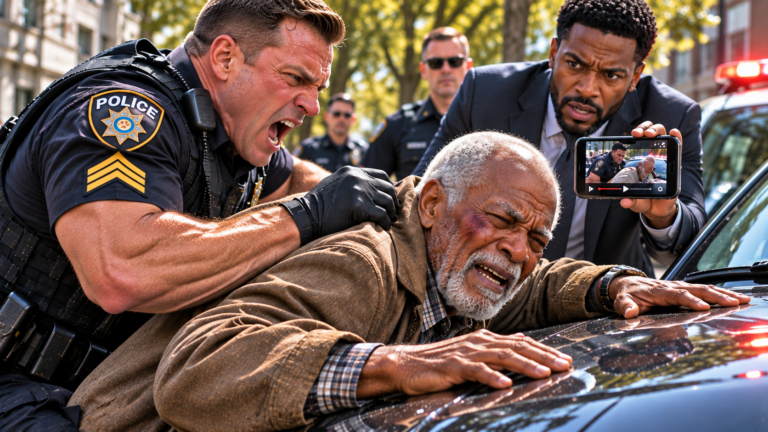
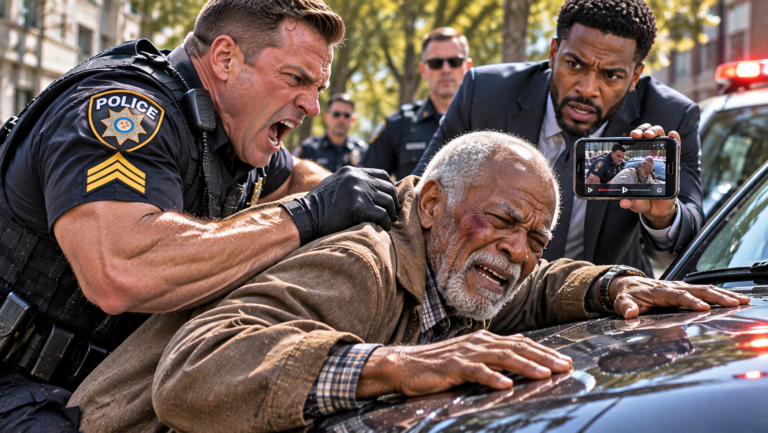
Harlan struggled to answer.
He maintained that he believed Adrian was about to become combative.
But the video did not clearly support that interpretation.
The discrepancy between his report and the footage became a central issue.
And the investigation expanded to examine whether similar problems had occurred in earlier encounters.
Chapter 11: The Complaints Nobody Connected
Over the previous five years, several complaints had been filed against Harlan.
Some involved allegations of unnecessary force.
Others described aggressive language or improper detention procedures.
A number of complaints came from Black motorists who believed they had been treated unfairly.
Not every allegation had been substantiated.
But investigators noticed recurring patterns.
Several reports described drivers as uncooperative after they asked questions.
Some accounts lacked clear explanations of why physical force became necessary.
And certain recordings appeared inconsistent with the language used in official reports.
The review team examined the cases individually.
They did not assume every complaint was true.
But they also refused to treat repeated concerns as unrelated simply because they had occurred at different times.
The broader review raised questions about supervision.
Had warning signs been overlooked?
Had earlier complaints been resolved too quickly?
And had younger officers felt pressured to support senior colleagues regardless of what they observed?
Those questions became part of the department’s reform discussions.
Chapter 12: The Rookie Who Refused to Change His Statement
Caleb Morris was interviewed several times.
He remained consistent.
He described the moment he arrived.
The force used against Adrian.
And his attempts to get Harlan to stop.
But the process was difficult.
Some colleagues believed he had betrayed a senior officer.
Others avoided speaking to him.
Caleb began questioning whether he had ruined his own career.
One afternoon, Lieutenant Whitfield asked him into her office.
“Caleb, how are you doing?”
He hesitated.
“Honestly, Lieutenant? I’m worried.”
“About what?”
“People think I should’ve backed Sergeant Harlan.”
Sarah nodded.
“I know.”
Caleb looked down.
“I didn’t want to make him look bad.”
Sarah leaned forward.
“Your job isn’t to make a colleague look good. It’s to report what happened accurately.”
Caleb nodded slowly.
She continued.
“An honest account protects everyone, including officers who act appropriately.”
He considered the words.
Then he smiled faintly.
“Thank you, Lieutenant.”
Sarah nodded.
“Keep doing your job the right way.”
Chapter 13: The Director Who Wouldn’t Seek Revenge
As the investigation continued, Adrian prepared to begin his official duties.
He met with the state’s legal team to ensure that his personal experience would not compromise the independence of the oversight office.
He agreed not to participate in decisions concerning his own case.
He also arranged separate legal representation for any personal claims arising from the incident.
When reporters asked whether he intended to use his new position to punish Harlan, Adrian answered carefully.
“No.”
He explained that misconduct investigations needed to be based on evidence and conducted through proper procedures.
The reporter asked whether the officer’s treatment had changed his views about police accountability.