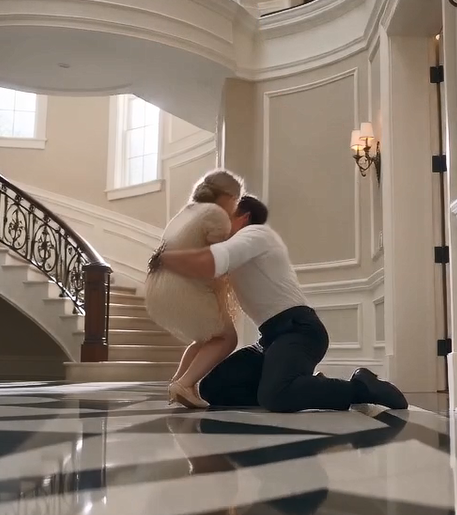
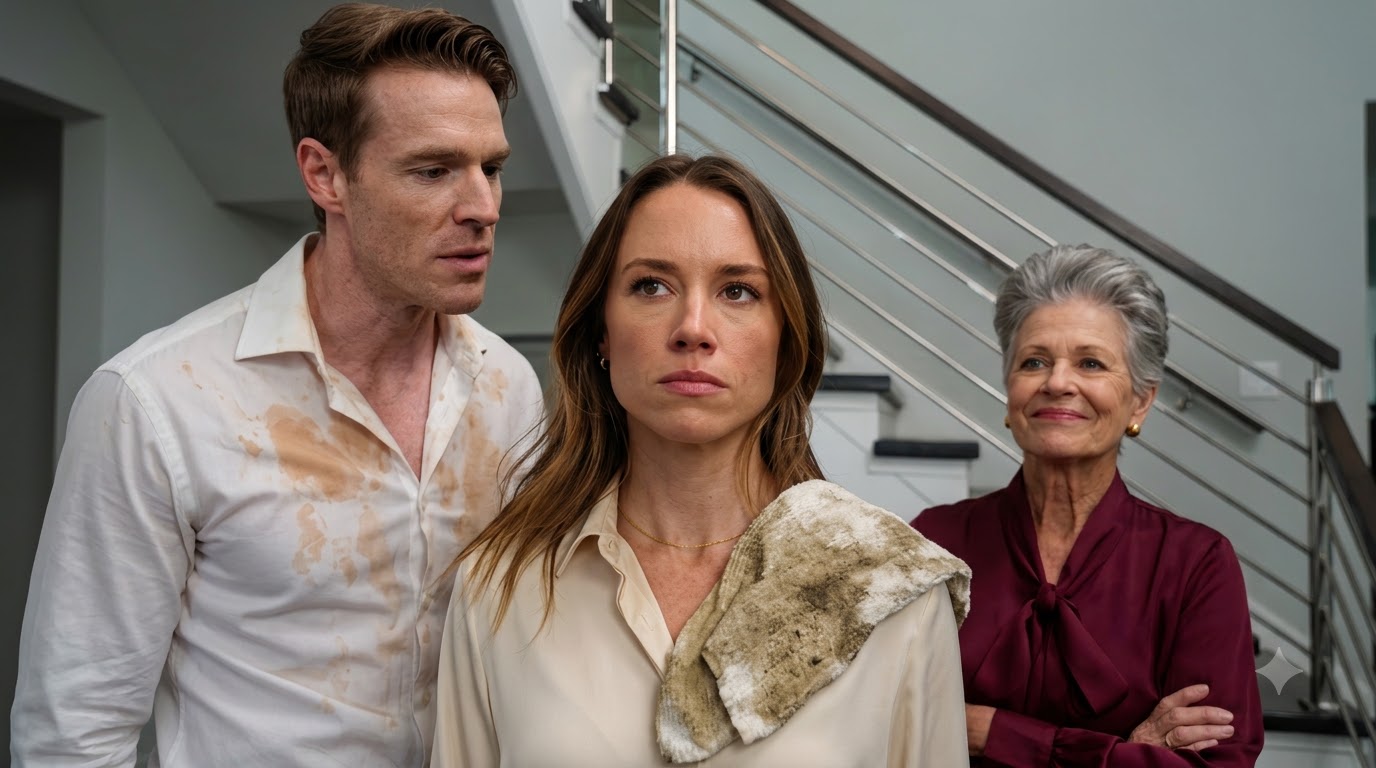
I stood on the front lawn, the crisp night air biting through my shirt. In my arms, little Frederick let out a soft, wheezing cough, his tiny body radiating heat against my chest. Amy stood beside me, shivering despite the light cardigan she had thrown over her shoulders. Her face was pale, tear streaks cutting clean tracks through the kitchen soot and sweat on her cheeks. She was holding onto my sleeve so tightly her knuckles were white, as if she were afraid that if she let go, the nightmare would resume and she would find herself back on that plastic stool in the kitchen.
“We’re safe now, Amy,” I whispered, pressing a kiss into her soft hair. “It’s over. They’re gone.”
“Is she really gone, Connor?” Amy’s voice was barely a breath, trembling with a terror that ran deeper than the events of the evening. “The deed… Connor, she had the original deed. If the police hadn’t caught Mason… we wouldn’t even own the roof over our heads anymore.”
That was when the cold realization settled into my bones. The deed. The police had stopped Mason at the side gate, but the folder he had been clutching contained far more than just a piece of heavy parchment paper transfer of ownership. As the senior officer, a weathered sergeant named Miller, handed the manila folder back to me, his expression had been grim.
“Mr. Bradley,” Sergeant Miller had said, lowering his voice so the departing relatives wouldn’t hear. “You might want to look at what else is in here. This isn’t just a property dispute. This looks like a pre-signed quitclaim deed, a power of attorney, and several bank transfer authorizations bearing signatures that don’t quite match yours or your wife’s.”
Now, standing in the sudden, eerie quiet of our ransacked living room, I opened that folder on the dining table. The party decorations—cheap silver streamers and a banner that read “Our Family First”—mocked us from the walls. Frederick had finally drifted into an exhausted, feverish sleep, and I had laid him carefully in his crib in the nursery, with Amy sitting vigil by his side with a cool damp cloth.
I sat down alone at the head of the table, the brass lamp casting long, distorted shadows across the papers.
The first document was indeed the original grant deed to the house. I had purchased this property two years before meeting Amy, pouring every dime of my savings as a senior structural engineer into its foundation. When my father passed away five years ago, leaving my mother with mounting debts and no pension, I had made the fatal mistake of letting her keep a duplicate key “for emergencies.” I had even added her name to a secondary emergency access form at the county recorder’s office during a period when I was traveling heavily for a major bridge project in Memphis—a temporary convenience that she had clearly manipulated into something permanent.