Those habits changed with time.
Not because I explained belonging once.
Because breakfast happened again.
His books stayed where he left them.
I came home when I said I would.
He disagreed with me and discovered the house did not disappear.
Adoption had made me his father.
Ordinary life had helped him believe it.
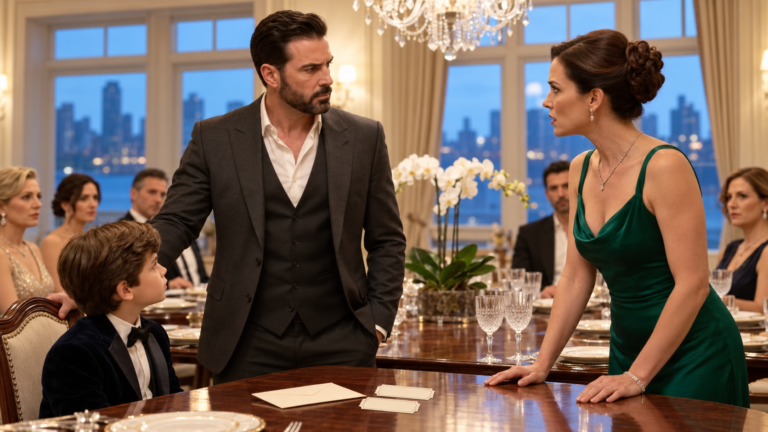
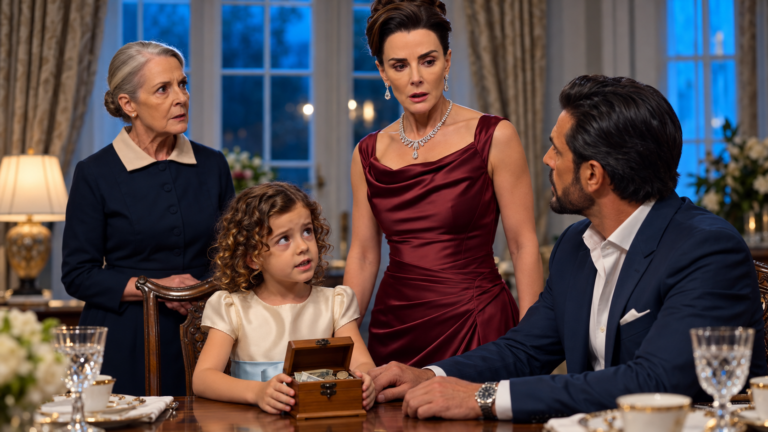
Now one missing chair had reached back into a fear I thought we had made smaller.
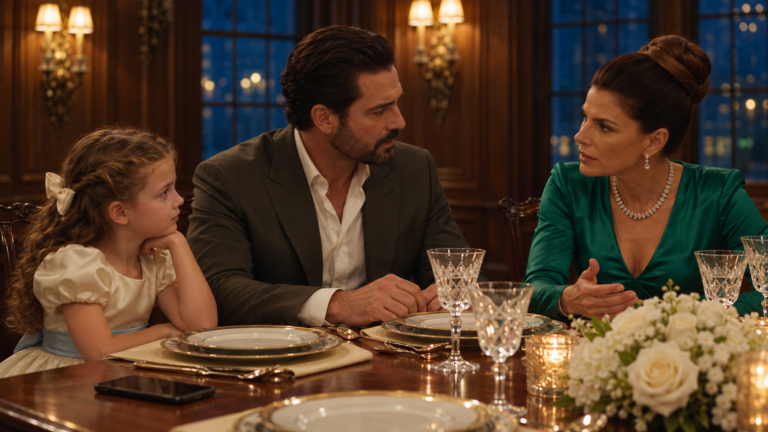
He noticed me watching.
“Am I doing it wrong?”
“No.”
“The fork?”
“No, buddy.”
I placed my own fork down.
“I’m looking at you because I’m glad you’re here.”
He studied me.
Then asked whether he could have another potato.
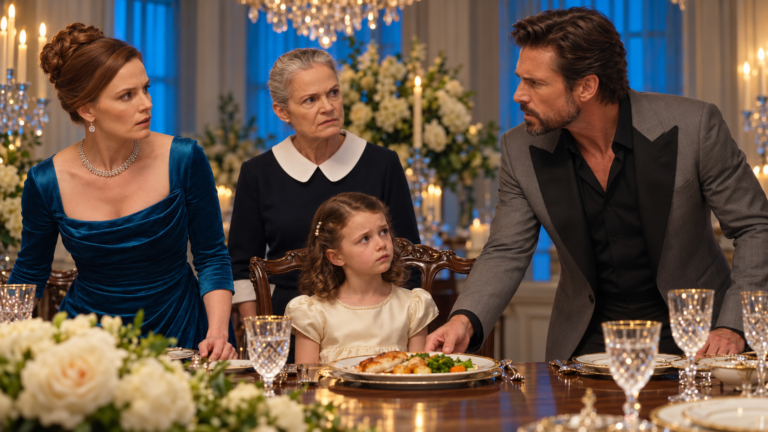
My mother passed the bowl.
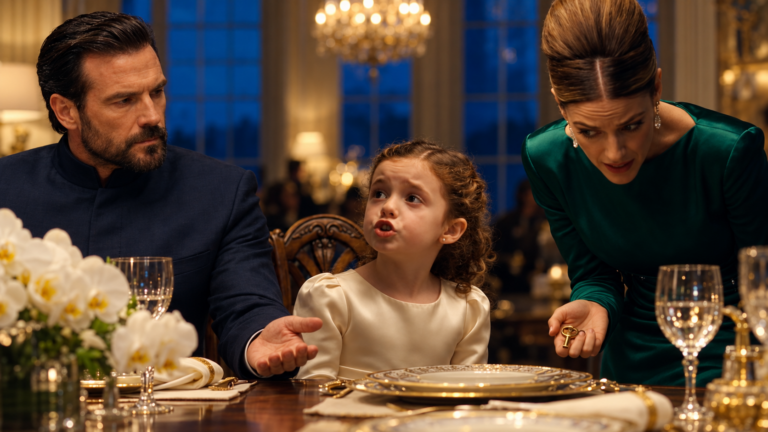
Nobody told him to wait until the adults had served themselves.
He took one.
Then another.
His shoulders lowered slightly.
It was not enough.
It was a beginning.
The revelation about my adoption had not been a secret within the family.
My mother had never asked me to hide it.
There were photographs.
Court documents stored with other important papers.
Stories told at birthdays about the first time I tried to help bake bread and put flour inside a kitchen drawer.
Camilla had known the woman who raised me.
She had attended lunches.
Looked through albums.
Heard my mother mention the year I came home.
She had apparently supplied a different explanation for what she heard.
A child visiting relatives.
A father away on business.
Something that allowed her assumptions to remain intact.
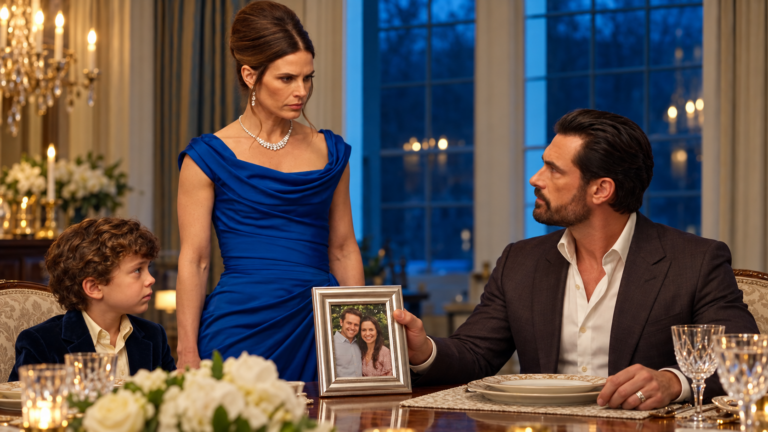
At dinner, she looked at the photograph above the fireplace.
My mother.
My father.
Me, aged nine, wearing a jacket I hated.
As though it might now reveal a flaw she hadn’t previously noticed.
Vivian saw the glance.
“That picture hasn’t changed,” she said.
Camilla looked down.
“I’m not suggesting it has.”
“Good.”
Theo turned toward his grandmother.