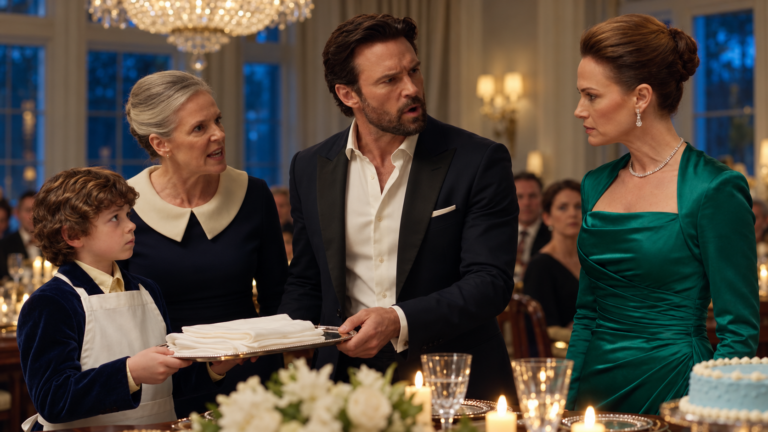
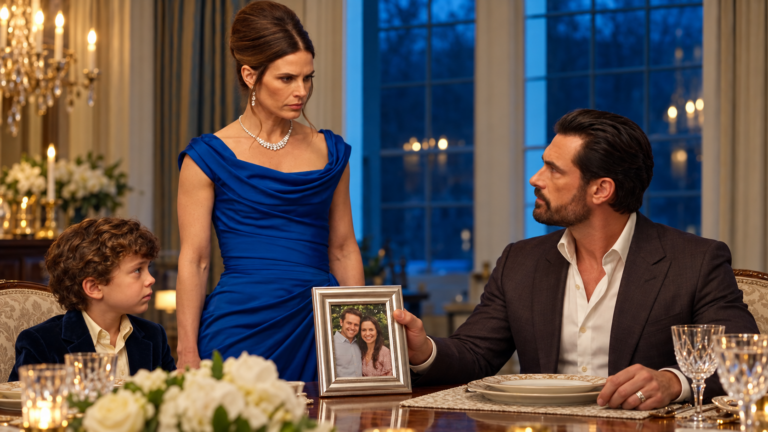
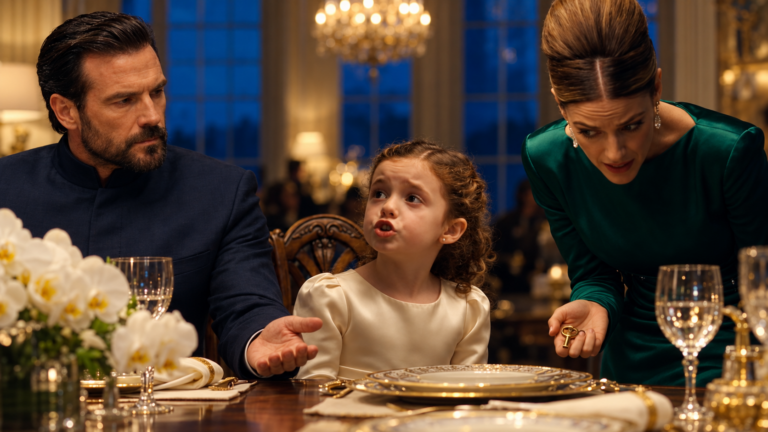
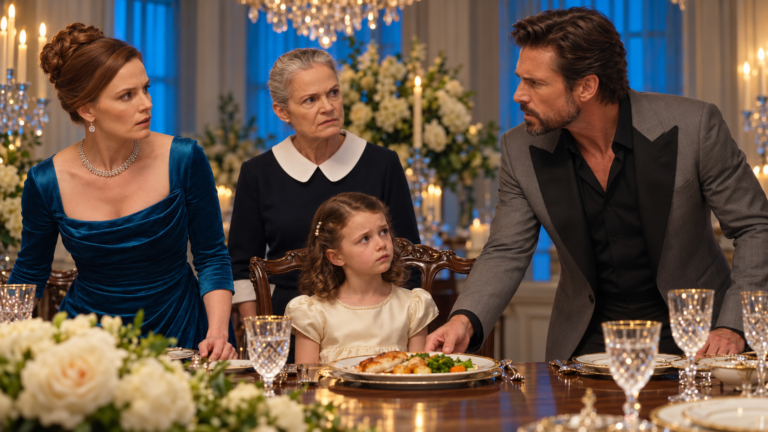
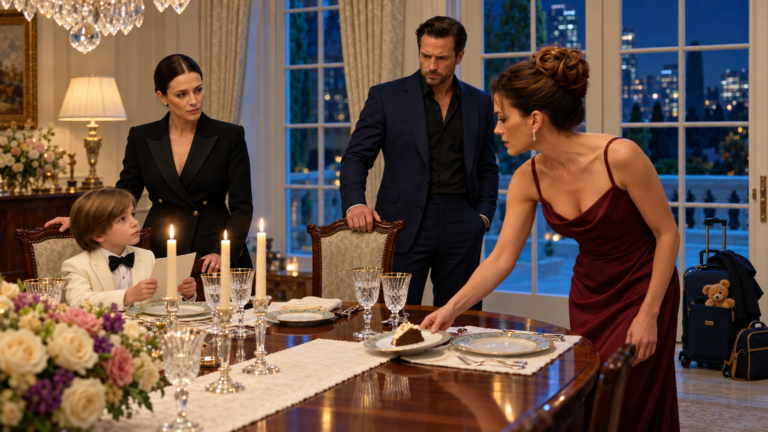
Adults could make a child’s world unbearably complicated by asking her to explain their behavior.
The truth, when he finally said it properly, fit into two sentences.
Viola sent a letter through Helena.
Cassian read it first, with care for whether it asked Poppy to provide comfort or concealment.
It did neither.
Viola wrote that she answered the calls.
She said things Cassian had not told her to say.
She should not have made Poppy believe she was unwanted.
Poppy had not caused the end of the engagement.
The letter ended with an apology.
Cassian did not present it as something his daughter needed in order to heal.
He told her it existed.
She chose to hear it with Miriam.
Afterward, she asked whether being sorry meant somebody would stop.
“Sometimes people change,” Miriam answered. “That takes more than writing it.”
Poppy nodded.
“Do I have to see?”
“No.”
“Can Dad decide he doesn’t want to marry her even if she gets better?”
“Yes.”
That seemed important to her.
Not every improvement required reopening a door.
Not every apology created a new obligation.
Poppy kept the letter for two days.
Then she asked Cassian to put it with the adult papers.
“I don’t want it in my drawing drawer.”
He did.
She did not send a reply.
The practical matters between Cassian and Viola continued separately.
Belongings.
Deposits.
Canceled arrangements.
There were awkward conversations and people disappointed by the change.
Cassian handled them.
Poppy did not have to make a single call.
His first overnight trip afterward was to Philadelphia.
One night.
He told Poppy several days in advance.
She nodded quickly.
Too quickly.
Then she asked whether they could forget about it until the day.
“We can talk when you want,” he said.
“But you’ll tell me again?”
“Yes.”
The evening before he left, they packed his bag together.
Poppy checked the pocket where he put the personal phone.
Then she checked it again.
Cassian waited.