I needed a different understanding.
It had not arrived.
And my daughter would not remain exposed while I waited indefinitely for it.
My uncle asked to speak to me the following weekend.
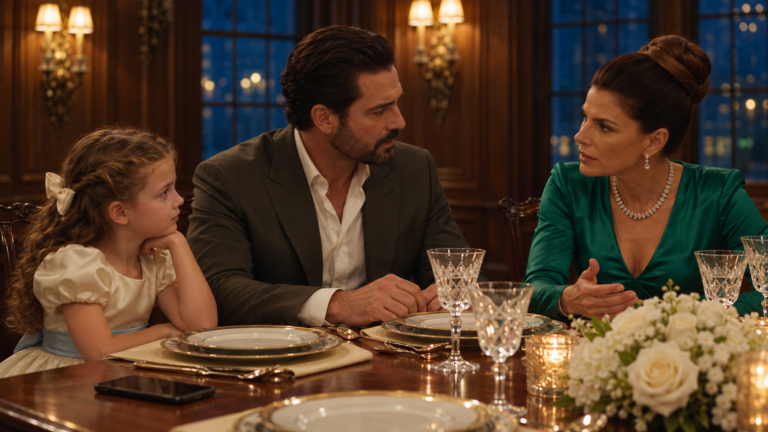
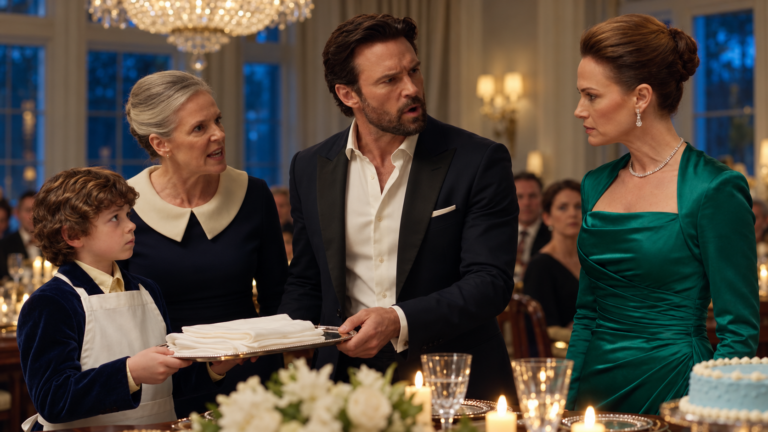
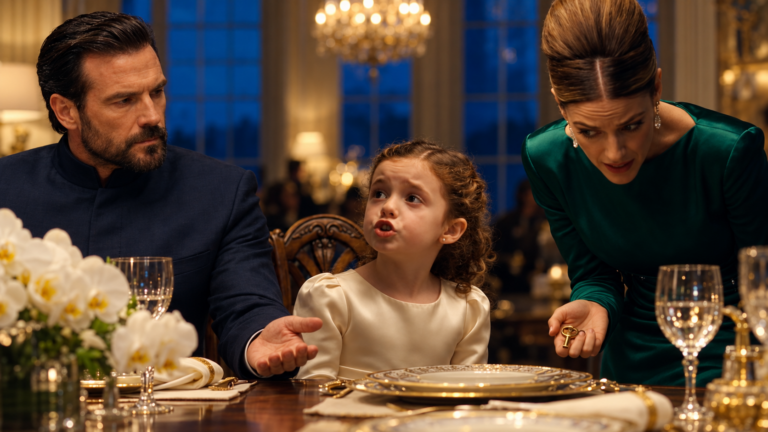
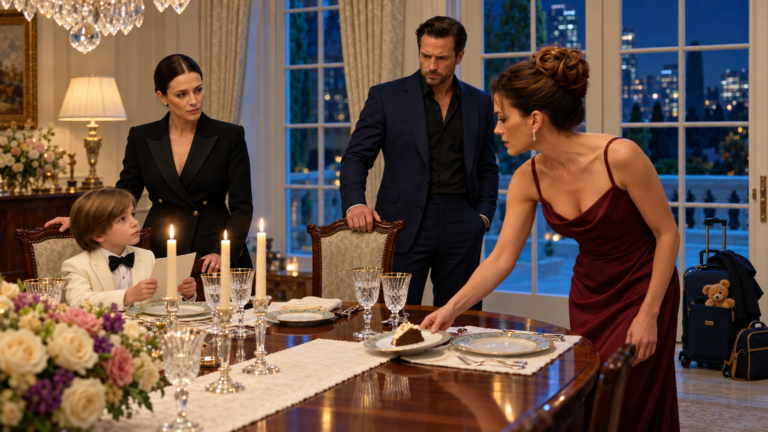
He had been at dinner.
He had also been the person who mentioned boundaries while Evie was trying to eat.
He began with good intentions.
“I didn’t know she missed lunch.”
“You knew the dinner was being removed.”
He looked down.
“Yes.”
“That was enough to question.”
He nodded.
Then he asked whether he should apologize to Evie.
I told him we would ask her.
She chose to hear him in the garden.
Ruth remained nearby.
He said he should not have discussed discipline while she was hungry.
Evie looked at the path.
“Did you think I was making it?”
“The crying?”
A nod.
“No.”
“Then why didn’t you say?”
He took a breath.
“I assumed the adults knew what had happened.”
She looked up.
“Dad didn’t.”
“No. He didn’t.”
He did not ask her to reassure him.
Afterward, she showed him where a snail had been living beneath a plant pot.
The visit continued.
An apology did not need to consume the child’s afternoon.
It needed to be honest, brief, and followed by better conduct.
The next family lunch, he asked Evie about her friend.
When she became sad, he waited.
Nobody moved her plate.
The photograph from Mina arrived a week later.
Her new bedroom.
A window with a view of a tree.
The matching bracelet on the desk.
Evie smiled.
Then she went quiet.
I nearly asked whether she was happy her friend had a nice room.
The question would have been reasonable.
It would also have suggested a preferred answer.
Instead, I sat beside her.
“What are you thinking?”